If you live in Dallas, laundry probably doesn’t feel like a big deal. You toss clothes in, hit start, and move on with your day. Maybe you clean the lint trap when you remember. Maybe not. Either way, the dryer keeps humming along, so everything must be fine. Right?

That’s how most people think about it. And honestly, that’s normal.

But here’s the thing. Laundry dryer vent cleaning isn’t just about pulling fuzzy lint out of a screen. It’s about safety. It’s about airflow. It’s about energy costs. And yes, it’s even about the air you and your family breathe every day.

Most homeowners don’t realize how much is happening behind the walls and above the ceiling when a dryer runs. That hidden vent line plays a much bigger role than people expect. Let me explain why.

What Most People Think Dryer Vent Cleaning Means

Ask around and you’ll hear the same answer again and again. Dryer vent cleaning means cleaning the lint trap. Maybe vacuuming the area behind the dryer. Maybe using one of those long brushes from the hardware store once in a while.

That’s not wrong. It’s just incomplete.

The lint trap only catches part of what leaves your dryer. A surprising amount of lint, dust, and fabric fibers travel past it. They move through the vent line, collect along the walls of the duct, and slowly build up over time.

In Dallas homes, where dryers often run more frequently in winter and during humid stretches, that buildup happens faster than people think.

So while the lint screen looks clean, the vent line can be quietly clogging inch by inch.

Why You Should Worry About Lint Buildup 

Lint Buildup in Air Dryer Vent

Lint feels harmless. It’s soft. Lightweight. Almost harmless-looking.

But lint is extremely flammable. According to data from the U.S. Fire Administration, failure to clean dryer vents is one of the leading causes of residential dryer fires. That’s not a scare tactic. That’s a pattern firefighters see every year.

Here’s why it happens.

As lint builds up inside the vent line, airflow drops. The dryer has to work harder to push hot air out. Heat builds up inside the drum and vent. Eventually, all it takes is one spark, overheating component, or restricted airflow moment for a fire risk to appear.

Most dryer fires don’t start with drama. They start quietly. Inside walls. Inside ducts. Places homeowners never see.

That’s one reason professional laundry dryer vent cleaning matters more than most people assume.

Dryer Vent Cleaning Helps Lower Your Energy Bills

Safety gets the headlines, but energy efficiency is the quieter issue that hits homeowners month after month.

When airflow is restricted, dryers run longer. Loads take two or three cycles to dry completely. That extra runtime adds up fast, especially during winter when laundry piles grow and families stay indoors more.

In Dallas, where electricity costs fluctuate and HVAC systems already do heavy lifting, an inefficient dryer just adds pressure to the monthly bill.

A clean dryer vent allows hot, moist air to escape quickly. Clothes dry faster. The dryer shuts off sooner. Energy use drops. It’s not magic. Its airflow is doing what it’s supposed to do.

Many homeowners notice the difference right away after a proper vent cleaning. Shorter cycles. Less heat buildup. A dryer that sounds calmer instead of strained.

The Connection Between Dryer Vents and Indoor Air Quality

This part surprises people.

A clogged or partially blocked dryer vent doesn’t just affect the dryer. It can affect the air inside your home.

When vents don’t exhaust properly, moisture and fine particles can linger indoors. That moisture can contribute to musty odors, humidity issues, and, in some cases, discomfort for people with allergies or breathing sensitivities.

Dallas homes already deal with dust, pollen, and outdoor pollutants. Add trapped dryer exhaust into the mix, and indoor air quality can quietly take a hit.

Proper laundry dryer vent cleaning helps keep that exhaust moving where it belongs. Outside. Not back into living spaces. Not trapped behind walls. Not lingering in the air your family breathes.

Why Dallas Homes Face Unique Dryer Vent Challenges

Not all dryer vents are created equal.

In Dallas and across the DFW metroplex, many homes have longer vent runs due to slab foundations, attic routing, or garage placements. Some vents twist through walls and ceilings before reaching the exterior. Each turn becomes a place where lint can settle.

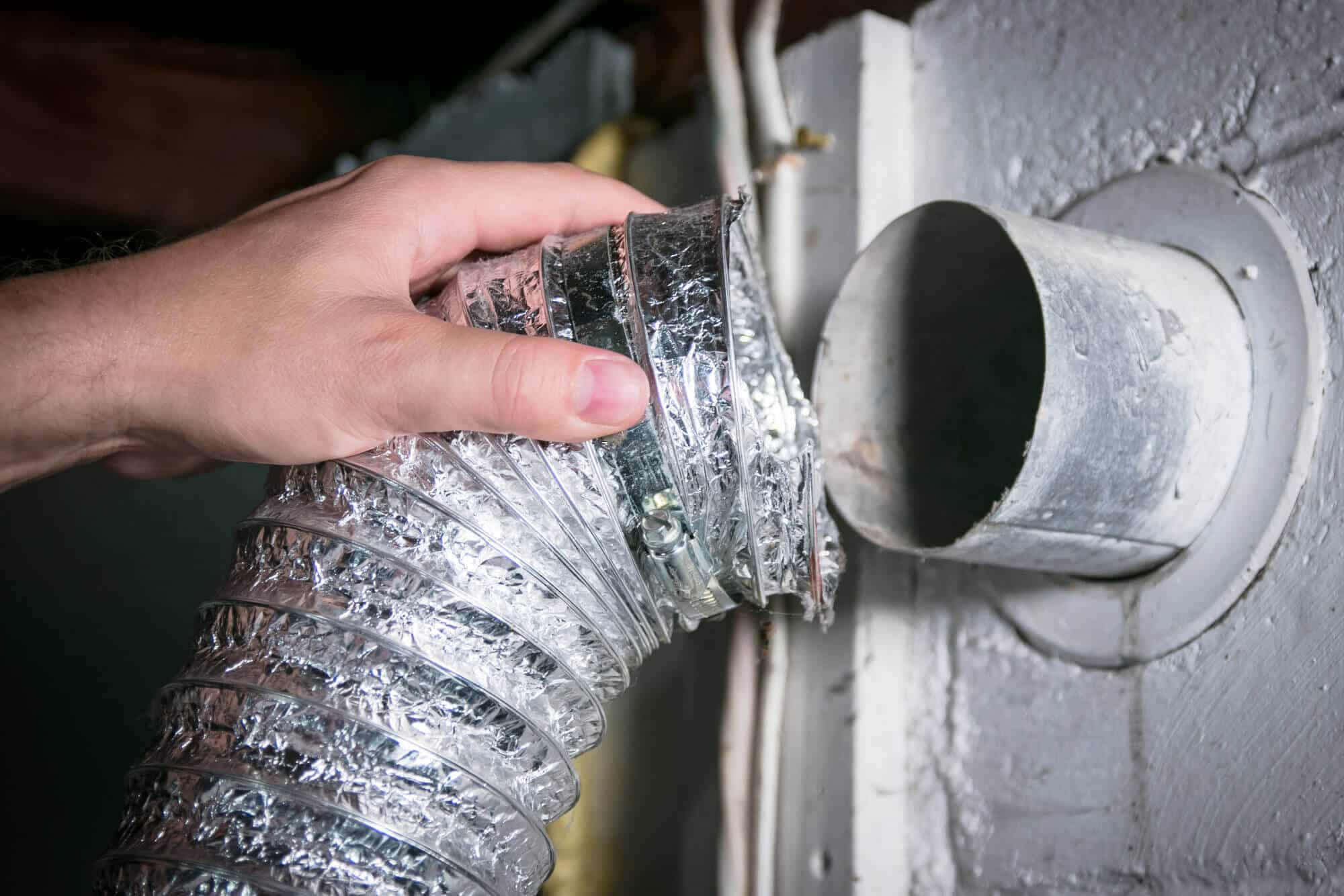
Older homes may have outdated vent materials. Flexible foil ducts, crushed sections, or improper slopes can all increase buildup. Even newer homes aren’t immune if installation shortcuts were taken.

Add seasonal humidity, frequent dryer use, and busy households, and you have a setup where lint accumulation becomes almost inevitable without professional attention.

How Installation Problems Make Dryer Vent Cleaning Even More Important

Here’s a truth most homeowners never hear.

Even a brand-new dryer can be unsafe or inefficient if the vent line was installed poorly.

Improper slopes, excessive bends, or wrong materials can slow airflow from day one. That means lint starts sticking sooner. Moisture doesn’t escape as quickly. Heat builds up faster.

In homes with installation issues, laundry dryer vent cleaning isn’t optional maintenance. It’s risk management.

Professional technicians don’t just remove lint. They check airflow. They look for crushed ducts, loose connections, or materials that don’t meet current safety standards. Sometimes cleaning reveals problems homeowners never knew existed.

That discovery alone can prevent long-term damage or dangerous situations.

How Often Should You Clean Your Laundry Dryer Vent 

Laundry

This question comes up all the time, and the honest answer is it depends.

Household size matters. Pets matter. Laundry frequency matters. Vent length matters. Even the type of clothing you wash can make a difference.

For many homes, an annual professional dryer vent cleaning is a solid baseline. Homes with heavy usage, large families, or long vent runs may need service more often.

If clothes take longer to dry, the dryer feels unusually hot, or there’s a burning smell, those are signs not to ignore. Those aren’t normal quirks. They’re signals.

The Question Everyone Asks Mostly

Can you clean a dryer vent yourself? Sometimes. Partially.

Basic maintenance like cleaning the lint trap and vacuuming behind the dryer is helpful. It’s a good habit. But it doesn’t reach deep into the vent line. It doesn’t measure airflow. It doesn’t identify hidden blockages.

Store-bought kits often struggle with long or complex vent paths. And pushing lint further into the duct can make things worse if done incorrectly.

Professional laundry dryer vent cleaning uses specialized equipment designed to safely remove buildup without damaging the duct. It’s thorough. It’s controlled. And it’s designed for real-world vent systems, not ideal ones.

What a Dryer Vent Cleaning Actually Looks Like

A proper service is more than a quick sweep.

Technicians inspect the vent path, clean the full length of the duct, and ensure the exterior vent opens and closes correctly. They look for crushed sections, disconnected joints, or airflow restrictions.

In many cases, they’ll show homeowners what was removed. Seeing the amount of lint that comes out is often the moment when things click.

This isn’t about upselling or fear. It’s about transparency and prevention.

Why Dryer Vent Cleaning Is Often Overlooked Until Something Goes Wrong

Dryer vents are out of sight. Behind walls. In attics. Outside the house. People don’t think about them because nothing visibly breaks.

Until it does.

A burning smell. A dryer that shuts off mid-cycle. A sudden spike in energy bills. Or worse, a fire risk no one saw coming.

Laundry dryer vent cleaning sits in that uncomfortable space between boring maintenance and serious safety. It doesn’t feel urgent until suddenly it is. That’s exactly what we explore in this article on why dirty dryer vents are an unseen hazard in your home.

Bringing It All Together

So no, laundry dryer vent cleaning is not just lint removal.

It’s about keeping heat moving instead of getting trapped. It’s about reducing preventable risks inside your home. It’s about letting your dryer work the way it was designed to, without unnecessary strain. Cleaner air, lower energy use, and peace of mind tend to follow.

In Dallas, where homes run hard year-round and systems rarely get a real break, small maintenance steps often make a bigger difference than people expect.

That’s why companies like EliteCleanDFW focus on thorough, professional dryer vent cleaning, not quick surface fixes. When the work is done properly, homeowners notice the difference, sometimes right away.

The truth is, the most important laundry systems are often the ones we never see. And taking care of them before there’s a problem is usually the smartest choice a homeowner can make.