




 972-475-4949
 If your home never seems to cool evenly or the dust comes back five minutes after you clean, you’re not imagining things. In many Dallas homes, the real problem isn’t the HVAC unit itself. It’s the ductwork hiding in the attic.
Air ducts take a beating over the years. Heat, humidity, shifting insulation, and plain old wear can cause leaks, collapses, or buildup you’ll never see from inside the house. When that happens, replacing air ducts isn’t a luxury. It’s a practical fix.
Let me explain what air duct replacement actually involves, when it makes sense, and what homeowners in North Texas should realistically expect.
Why Air Duct Replacement Is Sometimes the Smarter Move
Cleaning helps. Sealing helps too. But there comes a point where replacing ductwork is the only option that truly solves the problem.
Here’s why homeowners usually end up there:
- Persistent dust that returns fast, even after cleaning
- Uneven temperatures between rooms
- Higher energy bills with no clear explanation
- Musty smells, especially when the system turns on
- Visible damage in attic duct runs
In older homes, especially those built before tighter energy standards, replacing HVAC ductwork can restore airflow that was lost years ago slowly, quietly, and expensively.
If dust and air quality are ongoing concerns, this often ties into broader indoor air quality issues, similar to what we explain in our guide on how air duct replacement improves indoor air quality.
When Replacing Air Ducts in the Attic Makes Sense
Attics are rough environments. Summer heat in Dallas can warp flexible ducts, loosen connections, and dry out seals. That’s why many searches we see are about replacing air ducts in attic spaces specifically.
Replacement is usually recommended when:
- Ducts are crushed, torn, or sagging.
- Insulation around ducts has broken down
- Mold keeps returning despite cleaning
- The duct layout no longer matches the HVAC system.
At that point, patching becomes temporary. Replacement becomes practical.
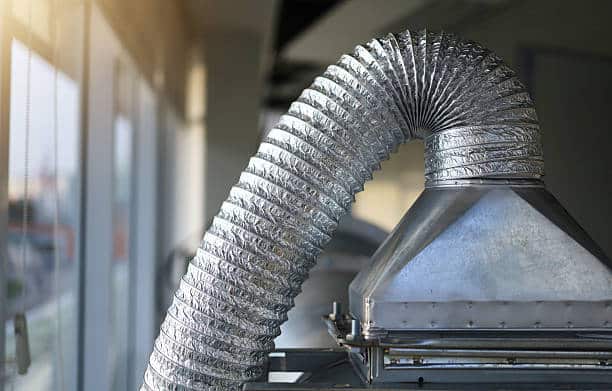
Step-by-Step: How Air Duct Replacement Actually Happens
Step 1: Inspect the Existing Duct System
A proper inspection looks beyond surface damage. Professionals check airflow, connections, insulation condition, and layout. In attic systems, this often reveals leaks homeowners never knew existed.
Step 2: Choosing the Right Duct Materials
Not all ducts age the same. Most homes use:
- Flexible ducts (common, cost-effective, but shorter lifespan)
- Metal ductwork (durable, better airflow, longer-lasting)
The right choice depends on attic space, budget, and how long you plan to stay in the home.
Step 3: Planning the New Layout
This part matters more than people realize. Poor routing causes airflow loss even with brand-new ducts. A good plan reduces sharp turns and balances airflow across rooms.
This ties closely to proper ductwork design, something we also cover when explaining the importance of proper ductwork installation.
Step 4: Removing Old Ductwork
Old ducts are disconnected carefully, especially in attics with tight clearance. Any insulation gaps, moisture issues, or contamination are handled before new ducts go in.
Step 5: Installing the New Air Duct System
New ducts are secured, sealed, and insulated. Every joint matters. Small leaks add up fast, especially during Texas summers.
Step 6: Testing Airflow and Performance
Once installed, airflow testing confirms each room is receiving proper circulation. This step separates quick installs from quality work.
Common Mistakes Homeowners Should Avoid During Air Duct Replacement
Even well-intended DIY attempts can backfire. The most common issues we see:
- Using standard tape instead of HVAC-grade sealing
- Oversizing or undersizing duct runs
- Ignoring attic insulation around ducts
- Adding unnecessary bends to “make it fit”
These mistakes usually lead to another repair call later.
What Does Air Duct Replacement Cost in Dallas?
Costs vary based on home size, duct material, and attic accessibility. In most cases, homeowners spend between $1,500 and $5,000 for full residential air duct replacement.
That range aligns with broader HVAC system cost factors, similar to what we outline in our breakdown of HVAC installation costs.
Final Thoughts: Is Air Duct Replacement Worth It?
Honestly? When ductwork is the problem, replacement fixes things; cleaning never will. Better airflow. Lower energy waste. Cleaner air. Fewer hot and cold spots.
If you’re considering air duct replacement in Dallas, working with professionals who understand attic systems and local conditions makes all the difference.
At Elite Clean and Restoration, we help homeowners replace ductwork the right way carefully, cleanly, and with long-term performance in mind. If your system feels off and you’re ready for real answers, we’re here to help.


